
Safe, Code-Compliant Dryer Vent Installation You Can Trust
Whether you’re installing a new laundry room, upgrading old foil ducting, or re-routing for shorter airflow, Horatio & Sons ensures your home is safe, efficient, and fire-hazard free.
Why Your Dryer Vent Needs Professional Installation
Most home clothes dryers generate gallons of moisture and huge amounts of flammable lint every week. When dryer vents are improperly installed—using flexible plastic, cheap foil, or running too long with unnecessary bends—lint accumulates fast, creating a serious fire hazard and destroying your dryer’s efficiency.
At Horatio & Sons, we don’t cut corners. We design and install solid, rigid metal dryer vent systems that maximize airflow, cut down drying times, and protect your home and family.
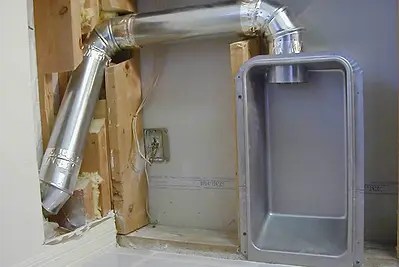
Why Your Dryer Vent Needs Professional Installation

-
New Home Construction or Remodel: Building a new laundry room or moving your washer and dryer to a new wall or floor.
-
Replacing Dangerous Vent Materials: Upgrading old, dangerous vinyl, plastic, or semi-rigid foil ducting to code-compliant solid metal.
-
Fixing Poor Original Layouts: Re-routing vents that run too far, turn too many corners, or exhaust into crawlspaces or attics instead of outdoors.
-
Installing Proper Exterior Covers: Replacing broken or missing wall/roof caps with pest-resistant, weatherproof covers.
How We Install Your Dryer Vent Right The First Time
-
Custom Airflow Design: We plan the shortest, most direct route to the outside to minimize lint buildup and maximize efficiency.
-
Code-Compliant Materials: We exclusively use heavy-duty, smooth-walled rigid metal piping that meets or exceeds all building codes.
-
Precision Mounting & Sealing: Every joint is secured with metal foil tape—never screws or rivets that trap lint inside the pipe.
-
Professional Exterior Termination: We install commercial-grade exterior hood caps with backdraft dampers to keep weather, pests, and cold air out.
-
Airflow Testing & Cleanup: Before we leave, we measure output velocity to guarantee peak drying performance.


Is Your Existing Dryer Vent Due for an Upgrade?
Look out for these warning signs:
-
Clothes take more than one cycle to dry completely.
-
The top of your dryer gets excessively hot during operation.
-
You see flexible slinky-style plastic or foil tubing behind your dryer.
-
Your vent pipe runs into an attic, basement, or garage rather than outside.
-
No air (or very weak air) is coming out of the exterior wall cap.
Ready for a Safer, More Efficient Laundry Room?
Get a custom quote on your dryer vent installation from the team at Horatio & Sons.
F.A.Q.
Frequently Asked Questions (FAQ)
-
Q: Can I install a plastic or flexible foil duct line for my new dryer?
A: No. Plastic and thin foil transition materials are dangerous fire hazards and violate modern International Residential Code (IRC) standards. They crush easily and trap lint in their corrugated ridges. At Horatio & Sons, we exclusively install rigid or semi-rigid metal ducting built to handle high heat and maintain optimal airflow.
-
Q: What is the maximum length allowed for a dryer vent installation?
A: Building codes generally limit dryer duct runs to 35 feet from the dryer connection to the exterior termination cap. Every $90^\circ$ turn or elbow reduces the allowable length by 5 feet. During installation, we design the shortest, most direct path possible to ensure max efficiency.
-
Q: Do you handle initial wall penetrations and roof vent installations?
A: Yes! Whether you are adding laundry facilities to a new room, relocating appliances, or replacing a poorly routed line, we handle complete wall cutting, exterior vent hood mounting, and roof cap penetrations with watertight seals.
-
Q: Why shouldn't a dryer vent just exhaust into an attic or crawlspace?
A: Venting warm, moist air into an attic or crawlspace introduces gallons of water vapor directly into your home's structure. This quickly leads to heavy mold growth, wood rot, and structural drywall damage. Dryer exhaust must always terminate outside the home.
-
Q: How long does a professional dryer vent installation take?
A: A standard replacement or straightforward transition hookup takes about 1 to 2 hours. Complex runs requiring full attic routing, wall cutting, or roof penetrations typically take between 2 to 4 hours.
-
Q: Do I need a pest guard or louvered cover on my outside vent hood?
A: Absolutely. Exterior termination caps require spring-loaded flaps or heavy-duty pest guards to keep birds, rodents, and insects from nesting inside your ductwork while allowing lint and moist air to escape freely.